

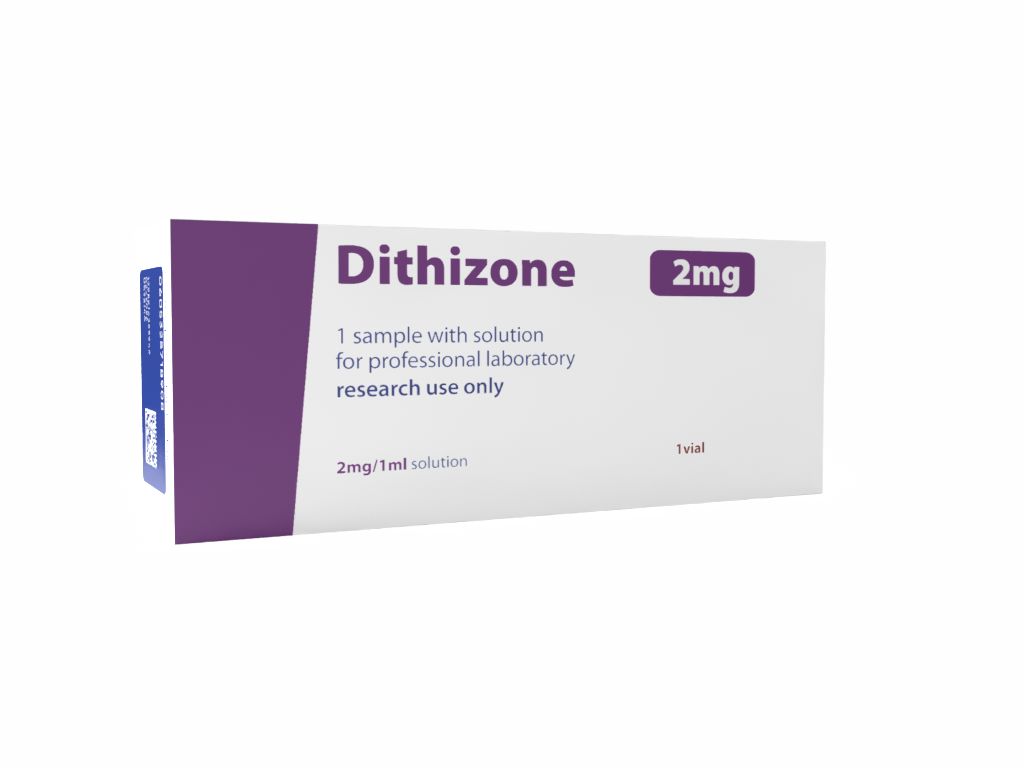
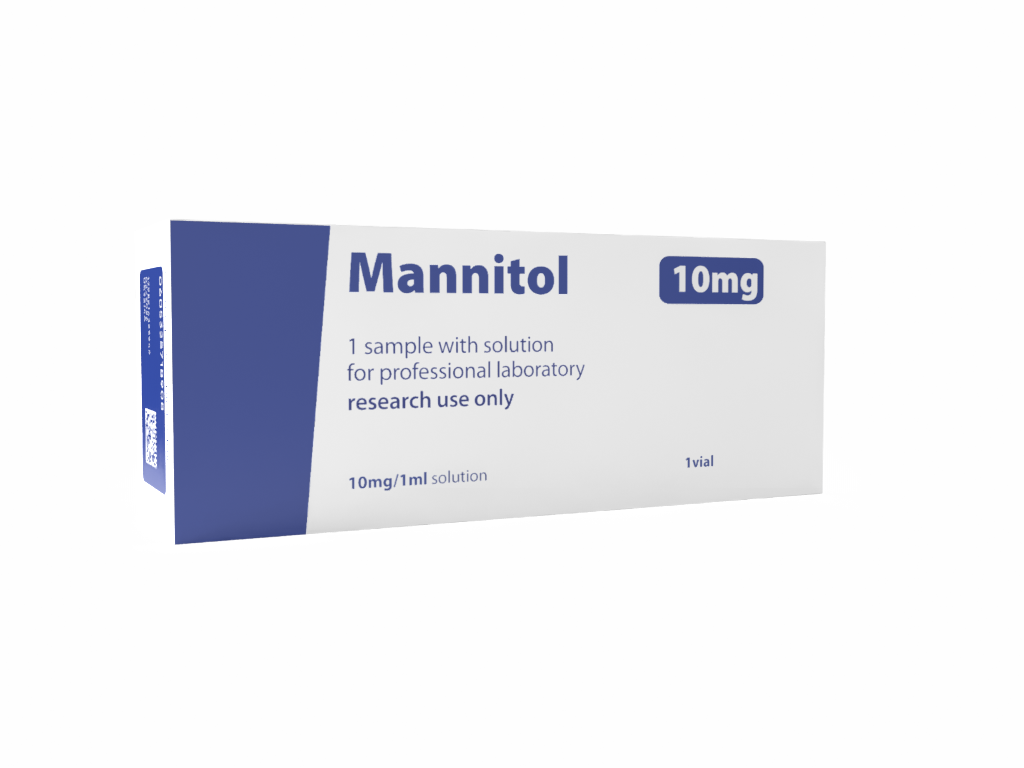
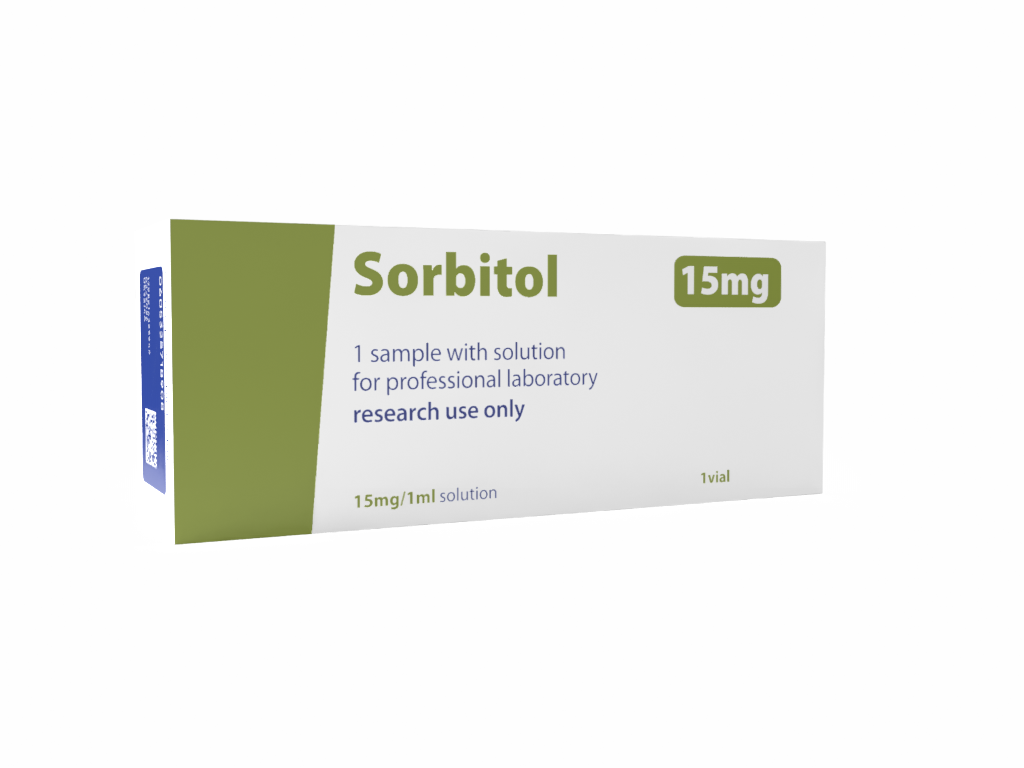
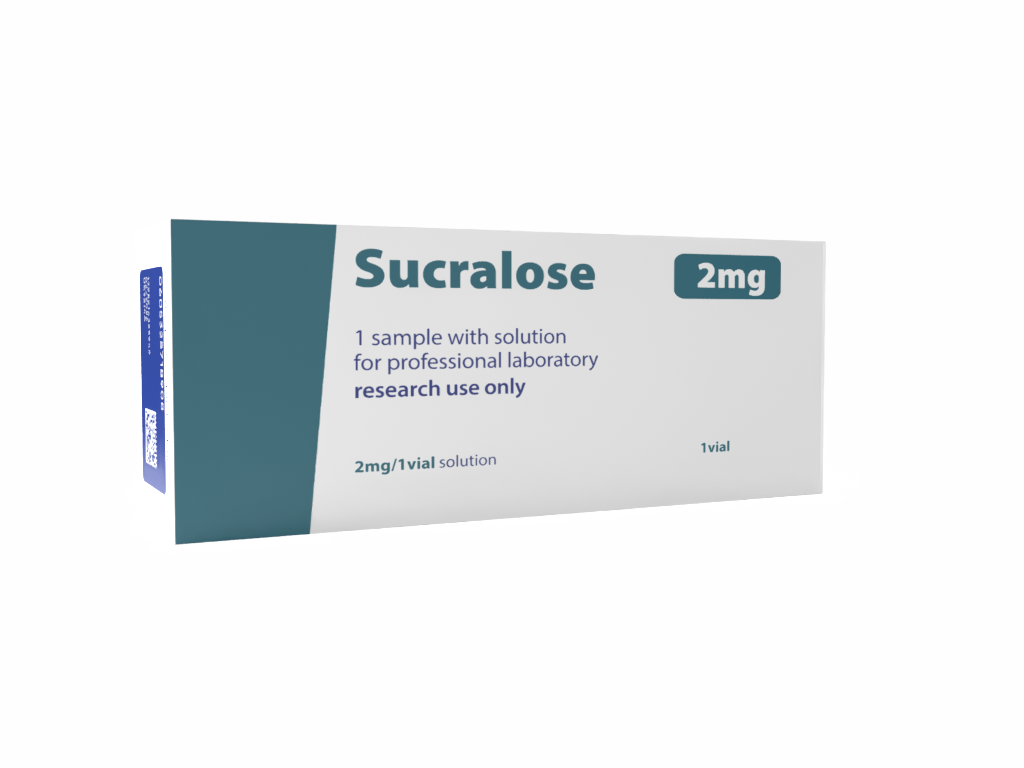
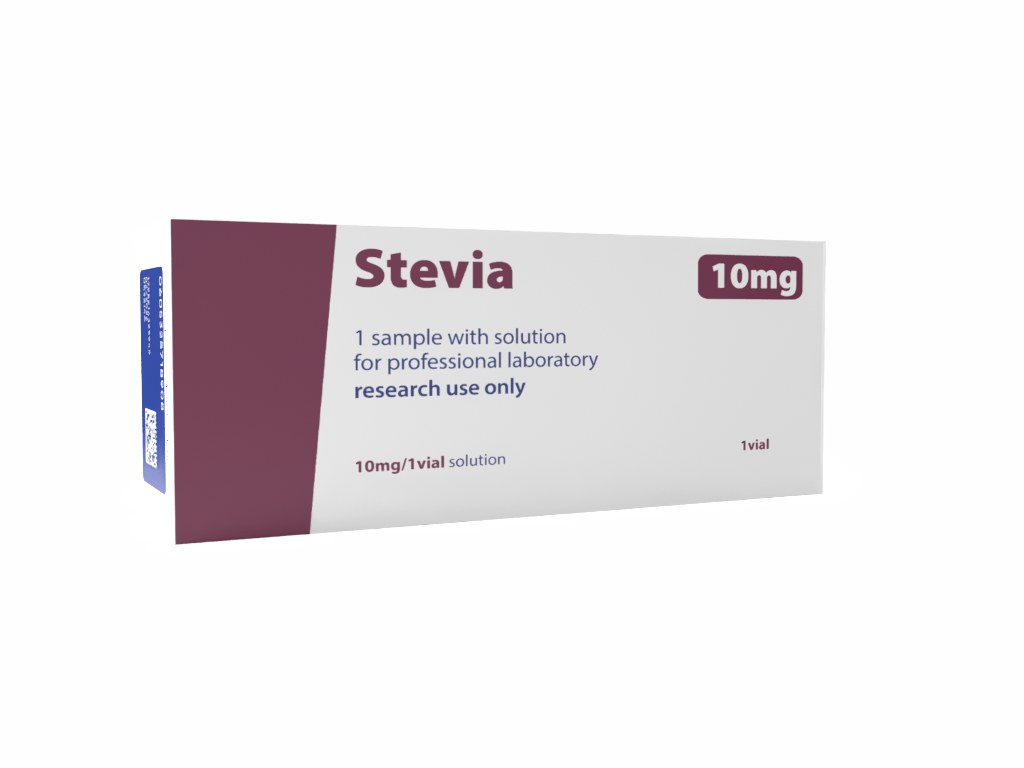
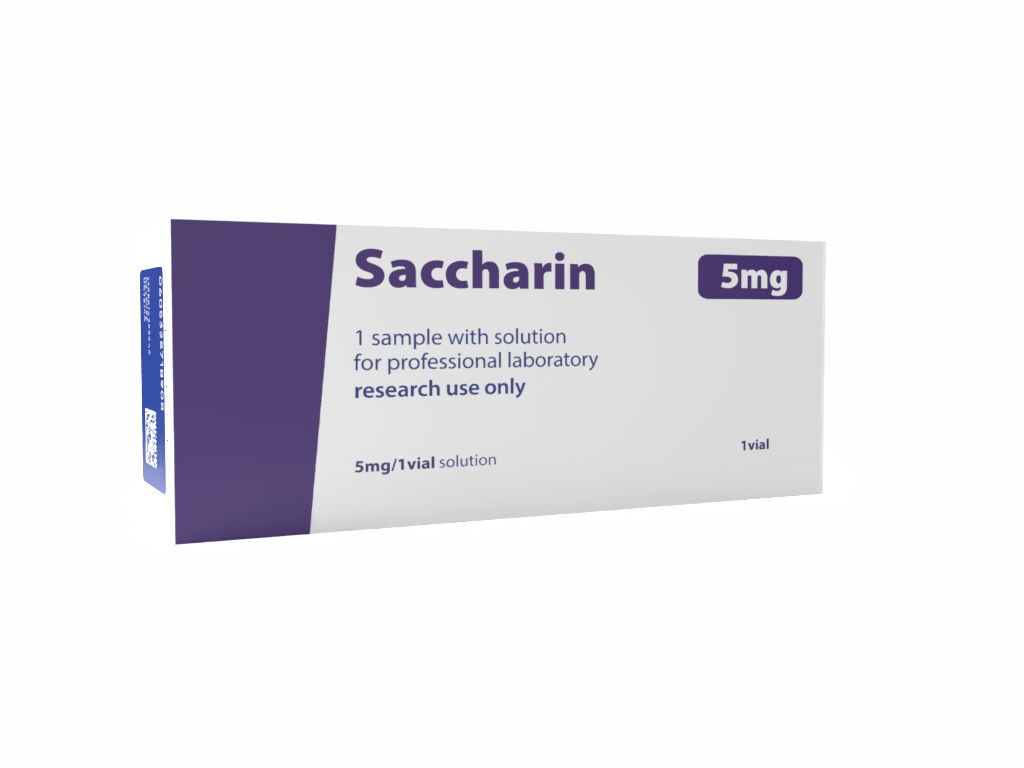
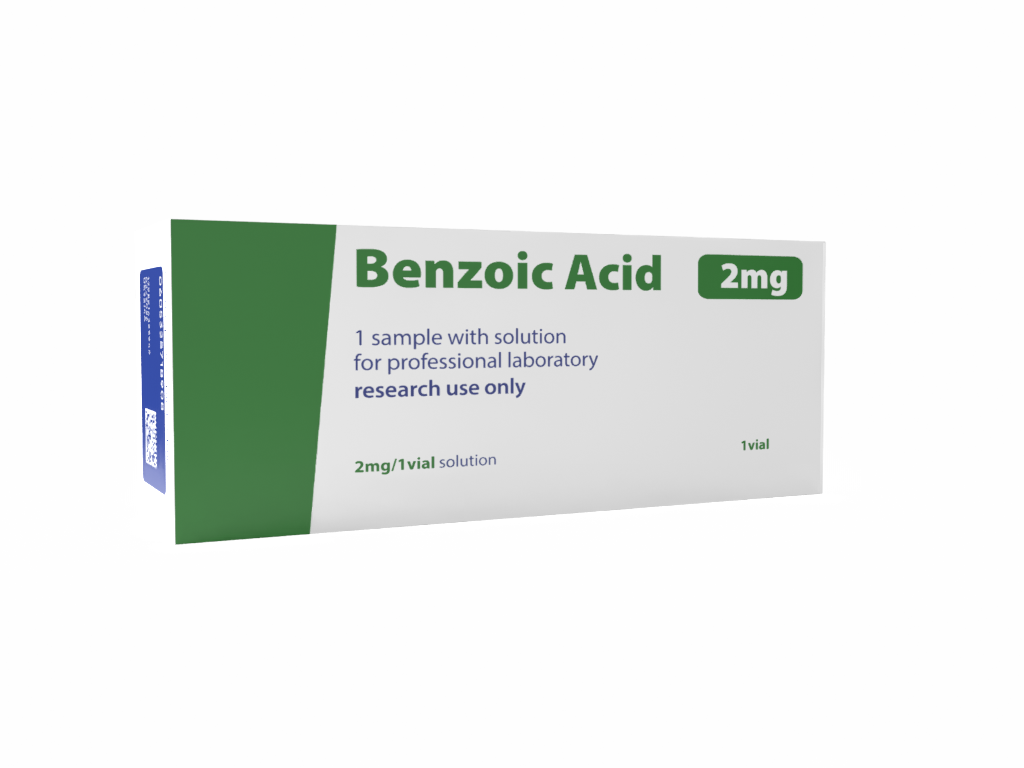

Industrial Reagents

All the properties listed above were observed in laboratory tests. They are for informational purposes only. Any information contained in the descriptions is not approved by GIS, GIF or EFSA. The substance is not a medicine, food product or dietary supplement. It is not suitable for human consumption. The product is qualified as a chemical reagent/reference material authorised in the EU. It may only be used for scientific research. Other information on the product is contained in the safety data sheet of the chemical, which we make available for inspection. Products are available for institutions or individuals who are associated with research or laboratory activities.

Tirzepatyd Store - Opinions

Add a review
Tirzepatyd.store Tirzepatyd.store
Rating*
0/5
* Rating is required
Your review
* Review is required
Name
.
* Name is required
4.8
Based on 637 reviews
5 star
87
87%
4 star
8
8%
3 star
3
3%
2 star
1
1%
1 star
1
1%
1-5 of 637 reviews
  1. MS

    Quality seems very good. Everything looks properly prepared. 👍😉

  2. JS

    I appreciate the good quality of the reagents.

  3. E

    way less cravings during the day which is nice

  4. DJ

    Well, I'll say this XD I thought it was a hoax, but seriously, it makes me want to eat less.

  5. A

    less craving for sweets and generally eating smaller portions

Test reagents are a key piece of equipment in any laboratory, research unit or industrial plant involved in qualitative and quantitative analyses. Their proper selection, in line with the nature of the tests carried out, significantly influences the reliability of the results obtained and, consequently, the development of new technologies and the achievement of further scientific milestones. 

reagents for analytical processes

Test reagents are chemical substances or mixtures used in various types of experiments, analyses and laboratory tests. With them it is possible to carry out:

  • Chemical reactions allowing the relationship in question to be identified;
  • Qualitative and quantitative assessments individual elements, compounds or components in a given sample;
  • Calibration of equipment and validation of measurement methods;
  • Development of new methodologies and research protocols.

In laboratory practice reagents support scientists and professionals in achieving reliable and reproducible results. Without their help, the development of science and industry would be significantly limited. High-quality articles such as this one not only contribute to the dissemination of reliable knowledge, but also support organisations in making the right sourcing and safety decisions.

Test reagents - types

Analytical reagents (analytical purity)

High-purity substances that are essential for the conduct of precise tests. They are most commonly used in chemical, pharmaceutical or quality control laboratories. Thanks to their low impurity content, they allow reliable results to be obtained:

  • Spectrophotometric analyses - using measurements of electromagnetic radiation absorption;
  • Chromatography - separation and identification of sample components;
  • Potentiometry - measurement of pH and other electrochemical parameters;
  • Titrations - titration to determine the concentration of specific substances.

Test reagents - pharmaceutical

The pharmaceutical sector uses special reagents, adapted to the stringent requirements of the medical industry. High purity, compliance with pharmacopoeial standards and strict quality control are key features of these compounds. They are used for:

  • Drug syntheses and development of active substances (APIs);
  • Quality control analysis finished pharmaceutical products;
  • Inspection tasks when implementing new therapeutic solutions.

Biological reagents

Biological reagents include, among others, enzymes, antibodies, immunochemical reagents or various types of culture media. They are used in:

  • Microbiological examinations - identification of bacteria, viruses, fungi;
  • Medical diagnostics - laboratory tests, e.g. ELISA, PCR, Western blot;
  • Genetic engineering - DNA/RNA modifications, production of recombinant proteins;
  • Biomedical sciences - conducting research into novel gene or immunological therapies.

Test reagents - general chemicals

General-purpose chemical reagents are a broad group of substances that are used in a variety of research, industrial and educational processes:

  • Acids and bases (e.g. sulphuric acid, sodium hydroxide);
  • Salts and solvents (e.g. sodium chloride, acetone, ethanol);
  • Reducing and oxidising substances (e.g. hydrogen peroxide, iron(II) sulphate);
  • Dyes and indicators (e.g. phenolphthalein, methylene blue).

Each of these types of reagents has a specific purpose and their use depends on the specific nature of the research, the needs of the laboratory and the level of sophistication of the tests

chemical reagents - summary

Test reagents are the cornerstone of the work of many laboratories, supporting the development of science, industry and medicine. Their proper selection, coupled with strict adherence to safety and quality standards, is crucial for reliable results. Due to the wide range of applications, from reaction in chemical processes to complex genetic analyses, there is a constantly growing demand for increasingly sophisticated and environmentally friendly reagents.

×

Sign up for the Newsletter and receive a 10% discount!